Monday, September 5, 2016

亞洲腹地旅行記 與 話說長江

在那很古老的年代 (circa 1950年代),我曾閲讀開明書店出版的那本"亞洲腹地旅行記",是李述礼先生翻譯 Sven Hedin (斯文.赫定, 1865-1952) 的名著. 其中描绘新疆和青藏 的一些人文地理,接近中亞的一些文化. 當時眼界大開,因為地理教科書上很少寫的奇形怪貌,人文野味,在此活龍活现. 斯文先生的書和後來房龍有一極類似的地方是書中的一些插圖,這些皆是作者自己畫的,簡潔有趣且傳神,又能表達作者的一些經验和看法,增加讀者的兴趣和感受,誠屬不可多得. 也許因此影响了後來的一些史地学人. 房龍(Van Loon)先生是一位富人文主義思想的歷史学者,对地理通曉熟悉. 他在1921 年寫了一本暢銷名作 '人類的故事',其中圖文並茂,其插圖和'亞洲腹地旅行記'有異曲同工之效,傳神更有过之而無不及. 赫定先生則是地理学者和一位精力充沛的探險家,他繪製和考察中央亞细亞及蒙古,中國西域,和青藏的地圖,幾可比美 庫克 (James Cook ) 先生在南太平洋的 survey and exploration. 斯文对新疆罗布泊盆地的面積和形狀及对塔里木河的經常改道,曾提出理論解釋,到現在尚為学界所接受. 赫定先生誠然在中國西部的地理学,考古学,和人類学有卓越的貢献.

西方另一位有名的地理探险学者是 Alexander Von Humboldt (洪保德, 1769-1859). 他的探險生涯以一本名著 'Kosmos' 作為最佳句奌. 洪保德在考察 Amazon River 的發源地和熱帶雨林的观察,对後來地理学有很大的影响. 他在 Amazon 有関動植物的研究和描述对達尔文也有深遠的影响. 他逝世之年(1859),正是達尔文發表'物種原始'的那一年. 世界著名而重要的河流,非洲有尼羅河,北美有 Mississippi, 南美有 Amazon, 亞洲有長江. 赫定的出生(1865),好像接續洪保德的探險生涯, 祇是把足跡從西方轉到東方.

中小学時,開始接觸萬里長城,接著是萬里長江. 最近幾年遊歷上海,看到蘇州河注入黄浦江,然後缓緩地拐一個弯,注入太平洋. 幾年前一次西行,至安徽黃山,横跨湖北,到武昌漢口. 再沿長江西行,路过兩大水壩,横穿三峽,重溫酈道元的水经江水注. 當白水滔滔,進入重慶,看到嘉陵江滙入長江的壯观, 真是印象深刻. 從這山城,遙遙西眺,依稀想像岷江,沱江和烏江也和嘉陵江一樣注入長江,造就了所謂的四川天府之國. 這些幾乎皆是身歷其境,水经江流,憾動心靈,冶地理與ㄏ史於一爐. 從四川再上去,沒有身臨其境,雖非完全空白,總是若有所失. 後來回到上海,在小書攤上居然找到三張 DVD 的 "再說長江". 來去匆匆,幾年过後,我把 DVD在客廳用大影幕和身歷声 播放,果然不同凡响. 以前古老年代的長江,發源於青海巴颜喀拉山南麓. 現在DVD 尋根到青藏高原的雪山大群,冰河環列. 由冰河的第一滴水滙集成 N 滴,然後一絲水集成 brook 和 creek, 四面八方齐集而成沱沱河,這就是長江的正源. 南源在當曲注入了沱沱河,北源楚瑪尔河接著來相会,成了通天河,從此浩浩蕩蕩地往東去,不久南拐成金沙江经雲贵高原,南北縱向切割,水势汹湧,直到進入四川才缓流下來. 從沱沱河到四川的宜賓,幾乎佔了長江的一半旅程. 這一段地理補足了我中小等教育的一些缺憾. 從冰河雪山群,沱沱河上源一直到黄浦江出海口, 大江蜿蜓南北,西東流向,終於連成一線,淵源流長,澎湃壯麗. 其間夾雜洞庭,鄱陽,洪澤及巢湖和太湖,大自然的鬼斧神功,壮观偉大,實筆墨難以形容. 

'再说長江'是新版的 '話说長江',它除了介紹長江的地理景观,也介绍很多長江沿岸的人文氣息與動態,諸如三星堆文化的出土和來尤去脈,噶州垻和三峽大水霸的工程规模和沿岸人口的大遷徙及对整個中國厂史的意義和影响. 還有長江中下游的牯嶺和盧山一些有趣的歷史,夾雜着赛珍珠和宋美齡的軼事. 对长江下游三角州及上海周边城市亦有精彩的描繪. 最後对長江三角州堆積的崇明岛,更有嶄新的銓釋. 它不但是一本地理的江水注,也是长江沿岸的歷史故事. 有注解字幕,有繪圖畫相,更有生動的 video and audio (视频和音频), 這種全方位的 multimedia presentation (多媒体介绍) 更是生動有力,感人至深. 在這方面,'再说長江'比'亞洲腹地旅行記'更上一層楼,可稱之'長江通史'. 我知道在有生之年,不太可能有時間和精力看完一些想看的地域人文,高品质的 DVD (光碟) 恰足以填補這一缺陷. DVD 以真實的影像,把那边遠足跡難以進入的地方,很清晰地呈現给我們,真要感謝這些 video 的製作人.

Wednesday, August 3, 2016

重慶南路與我

重慶南路 at 漢口街

Facing Opposite Direction

五十年代台灣物貭缺乏,大陸人士大批來台,一切乱七八糟,混乱異常. 那時正逢我念小学之時,也受波及和影响. 誰說命運是你自己選擇的? 那些時日你能選的,祇是在幾十項偶發事件中選一項而已,勉強安慰自己,可說是為前程奮鬥,決定自己的人生。 事實上從上往下看,就像一個氣体分子到處乱竄,是 Browning Movement follows some boundary condition 而已. 对於一個外星人飛过地球,他看我們芸芸眾生,祇是一個 Distribution Function 的現象. 每個分子本身則是混沌初開,到處活動,那边有縫,就往那边流,那边有洞,就往那边鑽. 我的小学(建成國小) 雖然沒有校舍,到處奔波,卻也祇是在方圆三里內東奔西走. 一直到小学畢業上初中時,才忽然間世界大開. 首先家從台北搬去士林,然後初中要上建國中学,於是我不能光靠兩隻脚了. 我要一大早坐公車十路,從士林经圓山,中山北路到台北東站,然後換乘三或五路公车到南海路,其間顛簸,浪费時間真不可以道理計. 有時公車太挤,乾脆從東站沿重度南路走到南海路,這樣因缘际會我就和重度南路結了缘.

重慶南路是一條商業大道,其中又以書店林立著稱。中学時代正是思想啟蒙時期,又沒有小学補課的惡習,所以有一些閒情去逛書店,看一些課外書。一天兩日看不出有何影响,可是六年下來潛移默化,其影响力则是驚人。在從東站到總統府的一段長路,經过幾十條小巷和大街,其中以开封街,汉口街,武昌街,襄阳路,衡陽街最有名。以下是憑我記憶的一些書店,那些是我小時候流連忘返的地方. 在以後的人生歲月中,不時在夢中出現,它們伴隨者我長大,深深影响了我. 不知道為什麼有那麽多人要寫書,有那麼多人要開書店,讓我們這些毛頭小子,莘莘学子受益無窮. 在以後的歲月中才慢慢体會到這社會的運作是依循一些 亞當斯密的 '一隻不可目見之手' 在冥冥中操作。

從車站往南走,憑我記憶,書店有台灣書店,啟明書局,大中國圖書公司,文源書局,商務印書館,世界書局,三民書局,中華書局,正中書局,東方出版社,文興書局,淡江書局,路茜書店.  尚有—些小書店及舊書攤,可稱琳琅滿目,美不勝收. 幾次重返台北,總是舊地重遊,仔細品賞當年的美好回憶. 現在台北車站有地下街可達重度南路和開封街口,真是方便,尤其下雨天或盛暑日可方便太多了. 逛書店浏覽書本,不花一文,經济實惠,但時日久了也發觉花了不少錢,貢献给書店。這些書當然都是課外讀物,以下是我記憶所及,列出清單記载一下,我想如果現在不寫,將來一定會忘得一乾二淨。 書目如下: 愛的教育,林肯外傳,富蘭克林自傳,處世教育,口才訓練,愛迪生傳,隆美尔傳,俾土麥傳,約输克利斯多夫,福特傳,林白征空記,海底長征記,科学的故事,人類的故事,聖经的故事,昆虫記,化学奇談,海外軒渠錄,傲慢與偏見,悲慘世界,基督山恩仇記,簡爱,维特的煩惱,音樂創作與欣賞,双城記,巴伐利夫人,居礼夫人,海的故事,馬克吐温傳,湯姆ㄏ險記,孟田文選,培根論文集,航海的故事,天空的神祕,地球,諸神復活,史懐哲自傳, 原子概論, 沉思錄,基督教入門,如何使思想正確,罗素傅,生命之歌,美麗的青春。数学列車,苏鲁支語錄, 航海的故事,天空巡礼,数学列車,植物的生活,進化的故事,怎樣判別是非 ....

隨著科技的進步和互聯網之賜,尤其是 Google Map, 現在居然可以大大方方,神遊重慶南路,祇用一個大影幕和一支小老鼠就可從台北車站漫步到衡陽路,從衡陽路右轉,走—條街 以後就在街角看到功学社,一棟九層楼的音樂專賣店. 街角就是博爱路,從那兒左轉再走五條街,居然可達植物園的一個入口。 從那兒,縱穿植物園就可到南海路,一过馬路就是建國中学---我的母校---真該感謝建國中学和重度南路. 在那短暂的六年中,它教育了我,薰陶了我,把我從一個毛頭小孩,陶冶成一位有朝氣的青年,勇敢地邁向未知的前程.

Thursday, July 7, 2016

1812 Overture and 4th of July

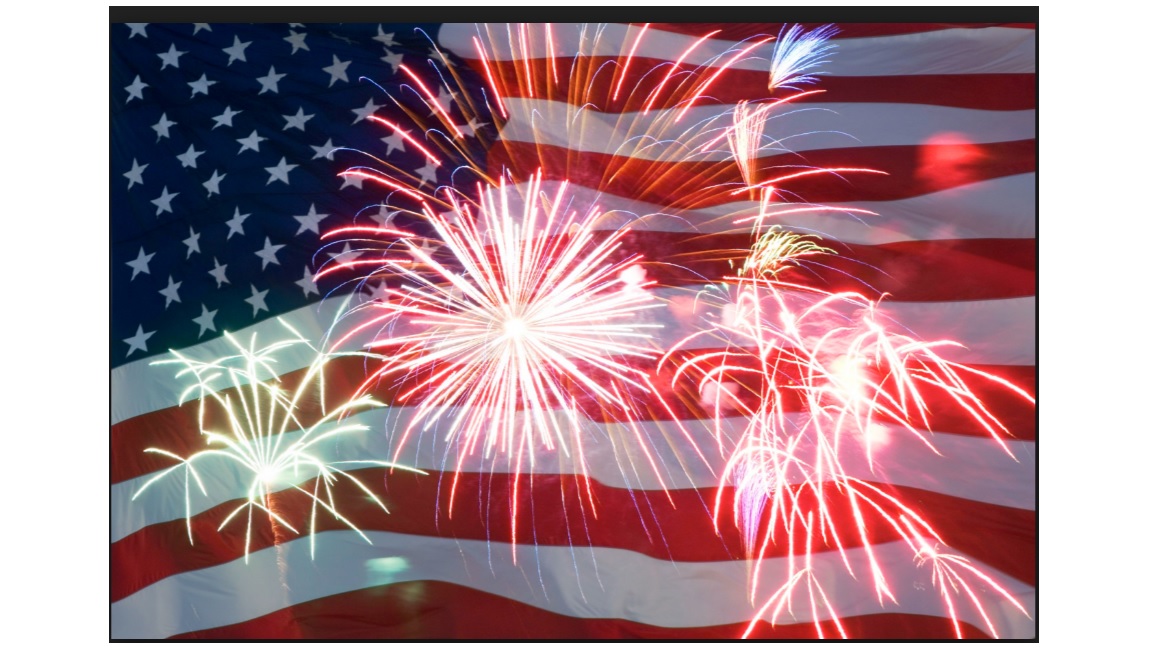
Fireworks on July the 4th
Here comes July the 4th, we celebrate the Independence Day every year, year after year. To most people, this is a cook out day, BBQ in the backyard or go out attending some open field concert. After that, we watch the firework. This happens everywhere. The spectacular firework usually is held in a big city near bay, river or near the park, so it accommodates a lot of people near open space under big sky. With this kind national fanfare, music is a must and so band and orchestra are highly demanded and they are busy on the Independence Day.
The most common music played is march of course. The most and usually played last is 'The Stars and Stripes Forever', an immortal work of Sousa. In addition, they play Manhattan Beach, El Capitan, Washington Post ... etc etc etc. Meanwhile among all these fanfare, it is almost a must to play "1812 Overture". This one is really odd and peculiar as this Tchaikovsky's master work really has nothing to do with America and its tune is Russian or French at best. The only reason to play it is the cannon scene near the end of the music. Per history, it was Arthur Fiedler, the conductor of the Boston Pops Orchestra, wanted some special effect in his outdoor performance near Boston on the 4th of July. He staged a real cannons, lined them up near the park and fired them synchronously with the orchestra playing the '1812 Overture'. People loved it when they saw the fire, smoke and loud explosions while the music raced to the final moment.

Arthur Fiedler's performance was a single successful event. It was so spectacular that people remember it well. After that year, this '1812 Overture' is played year after year and becomes a tradition. It sounds like the 'Nutcracker' played each year near the Christmas Season, a traditional event for ballet lovers and dancers . Nutcracker sounds more reasonable as it is a story about a girl's dream after Christmas Eve party. But '1812 Overture' has nothing to do with American Independence. The cannon is just too awkward to be the main reason. Some people think this '1812 Overture' has something to do with the war between America and British in 1812 AD. Actually no American composes anything for it as this war has nothing to celebrate for. Remember that British Soldiers got into White House and a lot of American fled the city in 1812. Tchaikovsky was a Russian composer. He composed '1812 Overture' to commemorate the event of Russian defeated Napoleon's invasion of Russia. The music contains the tunes of French and Russian national anthem with cannon explosion and fireworks. Here let's take a look at it on YouTube:


(0:42-2:04) "La Marseillaies", French National Anthem


(0:09-2:24) "God Save the Tsar", Former Russian National Anthem


Tchaikovsky's 1812 Overture (conclusion part of the overture)

(0:01-1:12) Pastoral scene of the Russian countryside

(1:15-2:07) Russian folk tune and dance, 'At the Gate'

(2:08- 2:41) Introduction of La Marseillaies, French soldiers marching

(2:42-2:55) La Marseillaies, French National Anthem

(2:56- 3:37) Music winding down like elevator music, signifying the retreat of Napoleon

(3:38-4:40) Victory celebration in Orthodox Church with bell ringing

(4:41-4:51) Victory to the Russian finally

(4:52-5:07) God Save the Tsar, National Anthem of former Imperial Russia

If I were a French American, I would be embarrassed or humiliated by this 1812 Overture playing La Marseillaise (French National Anthem) in a retreated fashion and faded into the oblivion while celebrating the American Independence. Russian used to be a communist country with cold war animosity with America. Even today Americans don't have good opinion about the Russians on human right record. Playing old Russian national anthem, 'God Save the Tsar' on American Independence day is odd and weird at best.

I think Sousa should have composed some cannon march or added some cannon section in his 'The Stars and Stripes Forever'. Even with his genius, Sousa seems missing the opportunity as it would have been the most spectacular fanfare at the final moment of the Independence Day Concert. Also there have been many well-known American composers like Aaron Copland who composed 'Fanfare for the Common Man'. I wonder why he also missed the opportunity to compose something like 'Fanfare for the American Independence'.

Wednesday, June 8, 2016

Menlo Park and Edison


While I was a kid in Junior High I bought a book '愛迪生傳' from a bookstore along 重慶南路.  I glued to the book and read it in details.  It was a very good book for a little kid like me.  At least it gave me some push and inspiration to study Electrical Engineering years later.  I was especially impressed on his inventive work in Menlo Park (孟洛公園) at which he invented phonograph and light bulb.  So in 1972, I moved down here from Dallas, the first thing caught my eyes was Menlo Park and immediately reminded me of Edison.  Then it dawns on me that the Menlo Park of Edison is in New Jersey, not here in California.

Silicon Valley's Menlo Park
When time goes by, I noticed that many companies have done some brilliant work started here in Menlo Park of California.  Examples are SRI International, Netscape, Sun Micro System, Google, Facebook etc.  After all, Menlo Park is a good name and this one seems to follow the tradition of the east coast. Ironically, Palo Alto and East Palo Alto are both right next to Menlo Park but belong to different county.  Palo Alto is right next to Menlo Park to the south, it belongs to Santa Clara County.  But Menlo Park is part of San Mateo County.  The strange thing is the little town East Palo Alto belongs to San Mateo County.  It is on the east side of highway 101 and adjacent to Menlo Park.  This little town was not very safe several years ago and some real estate agents were nervous to prospect there.  Some Palo Altans thought since East Palo Alto belongs to San Mateo County and right next to Menlo Park, it should be renamed to something like XXX Park.  Someone suggests Jurassic Park.  Of course it sounds like a bad joke.

Edison was considered a 'Wizard of Menlo Park' at his time of 1875-1885. Both sound reproducing, (recording device) and bulb lighting device are technical breakthroughs and both of them were invented by Edison and his team in Menlo Park.  The phonograph has revolutionized the audio device and used continuously until about 1970.  It lasted about 100 years.  The bulb also revolutionized the working time of human society. The light bulb has been used uninterrupted until around 1980 when fluorescent type of lighting device finally replaces it.  Its time of influence also lasts more than 100 years.  They are the great contributions Thomas Edison gave to our society and the whole world. He is listed at the 38th most influential persons in our human history in the book 'The 100' by Michael Hart.  Edison later also invented the Motion Picture.  Consider the enormous impact his inventions of Light Bulb, Phonograph and Motion Picture to our society, Edison is truly a modern Prometheus who stole fire from heaven and gave it to the mankind.

In Silicon Valley, some people think lately that Steve Jobs is a 'Wizard of Cupertino'.  Cupertino is 10 miles south of Menlo Park, also considered part of Silicon Valley.  The comparison of Steve Jobs to Edison seems odd as Jobs is not an inventor of any science or technology,  He simply a package innovator who performs mix and match of various technology to form a gadget that people want or desire to have.  A better saying perhaps should be Marketing Genius of Cupertino.  His Machintosh personal computer was not successful and his iPod only last for a few years.  The real success is his iPad and iPhone.  It makes a lot of money for Apple.   However it remains to be seen how many years iPhone and iPad will be around in the market.  It is interesting to note that what iPhone integrates is actually audio, video and microprocessor.  The first two technology audio and video are essentially the same as Edison's phonograph and motion picture.  Packaging of technology changes very fast.  It remains to be seen whether iPhone will last for more than 20 years, let alone 100 years as Edison's invention.

Thursday, May 19, 2016

Something Not to Miss in My Life


It is fairly common to see some advertisement like:

100 places you must visit in your life time
100 books you must read in your life
Top 100 most influential persons in history

or even something like:
100 places you can go without them.

Almost all of the above are subjective and can vary a lot among them.  Instead of letting someone tell you what to do, it may be more interesting or meaningful to do something you like to do.  This will tell what you really are as a person.  It will show your interest, your thought, your hobby and the way you lead your life.  Without burdening yourself too much, it is a good beginning to ask the question like:

Can you list three things (not persons) which you will miss a lot if you lead your life without them?

Life is life, there is nothing really indispensable or a must in your life.  All we can say is that we may miss a lot if life goes without them.  If you can't think of at least three things to fill in the blank, you may already miss a lot in your life.  The answer to this question is subjective of course as everyone is raised and educated differently and so the answer will show what you are and not just who you are.  If you can list more than three things, it is even better as you run your life in more directions and tend to lead a more colorful and fulfilled life.

Here I will give my list and explain why I will miss a lot if I haven't encountered or experienced these three things.

Beethoven's Symphony

Beethoven composed nine symphonies.  Each one is unique in its own way.  The music is emotional, lofty, inspirational and powerful.  His symphonies cover pretty much every facet of human existence in one way or another. It (especially the fifth) gives me strength when I am low in my life.  It (especially the ninth) gives me love and comfort when I am sad and melancholy.  It gives me inspiration (especially the third) when I encounter difficulties.  Music is a sequence of note run along time with melody, rhythm and volume of sound.  It can be very abstract, vague and can be interpreted in different way at different time.  The sixth is the Pastoral Symphony.  It is a tone poem which combines music, painting and hilarious human emotion in mother nature.  Even in his less popular symphonies like #1, #2, #4 and #8 are packed with energy, emotion and pure beauty of melody.  His #7 is similar to #5 with different construct.  Carl Sagan used it in his Cosmos to convey his cosmic message.  The music is played in the background which puts science, history and human being in a perfect setting.  It is so powerful that moves us to tears. There are a lot of symphonies, many good one.  However, Beethoven's nine symphonies contain the most powerful, intellectual and artistic quality with immense energy in it.  I store Beethoven's nine symphonies in my iPhone, so I can listen to them whenever and wherever I go.

Carl Sagan's Cosmos

Where did I come from?  What is my position in the universe?  We learned a lot in the school in many disciplines of knowledge.  There are a lot of programs discussing the Cosmos, but none of them matches the intensity and broadness of Carl Sagan's monumental work: Cosmos.  It is a series of thirteen episodes delving into the nature and intricacy of the cosmos and human being.  The exploration of the universe gives me the meaning and the significance of mankind in the Cosmos.  The series contains 13 episodes with topic ranging from the shores of the cosmic ocean to who speaks for earth.  It delves into the harmony of the worlds, the heaven and Hell, blue and red planet, travels in space and time.  The scope of the exploration is immense and it zeroes in the position of mankind in the universe and the responsibility of our human being.  As Carl Sagan said, "We are a way for the cosmos to know itself.  The journey for each of us begins here, the brain.  Perfect as a dandelion seed.  It will carry us to world of dreams and worlds of facts".

Poems from Tang Dynasty

This is literature in the form of poem.  It is artistic, scenic, emotional, rhythmic, musical and historical all in one place.  I learn to appreciate the beauty of language, nature, human emotion and the intricate relation among them from these poems, truly gems of literature that human can ever create.  I understand this is language dependent.  You can't really appreciate the beauty after it is translated into other language.  Nonetheless, if you master the Mandarin and be able to absorb and imbibe in the Tang Poems, you know you have something so precious that nobody can take it from you.  What is so precious?  It is the capacity of human being to appreciate the beauty of nature, language and the emotion.

The above three things stick to me since very early stage of my life.  They continue to influence me, shape my personality and enhance some of my character, interest and past time.  I never get tired of them, they become part of my life.  They consist of the category of human endeavors such as music, science and literature. This is the reason I say I will miss a lot if I lead a life without them.  I think I may lead a normal life without them.  However, I am very certain I will miss a lot if my life goes without them.

Friday, April 22, 2016

房龍與地理

April 22 is the Earth Day.  People worry about the deteriorating condition of the earth and the danger of surviving chance of human beings on earth.  This reminds me of a good old book written by Willem Hendrik VanLoon, "The Story of the World", a sister book of "The Story of Mankind", one of the most famous book he has ever written.  Actually this is the subtitle of the book, the original title is "Van Loon's Geography".  The uniqueness of the book can be seen from the first page of the book: "History is the Fourth Dimension of Geography.  It gives it both time and meaning."  The book was written in 1931, not long after the publish of the Theory of  Relativity by Einstein.  We live in a universe of four dimensions-Space and Time.  Similarly, we live in a world of four dimensions-Geography and History.

The book starts with an incredible and shocking story that shows the relatively little significance of human beings in the universe.  All people in the world were put in a box of 0.5 mile on each side.  It was hauled to the top of the Grand Canyon of Arizona, tipped over to the cliff and crushed into the bottom of the Colorado River.  Then came with silence and oblivion.  The human sardines in their mortuary chest would soon be forgotten.  The Canyon would go on battling wind and air and sun and rain as it has done since it was created.  The world would continue to run its even course through the uncharted heavens.  The astronomers on distant and nearby planets would have noticed nothing out of the ordinary.

The above sounds like a terrible story to most people.  Yes, it can happen one day in the future if we, human beings, do not pay attention to how fragile the condition of our earth to our survival as a species in the universe.  The earth is like a ship. We are all of us fellow-passengers on the same ship and we are all of us equally responsible for the happiness and well-being of the ship in which we happen to be on board.  Let's hope our ship not become Pequod of Moby Dick and our leaders not like Captain Ahab.

Saturday, March 12, 2016

外國人名和地名的中文翻譯

很多人都有讀外國遊記,歷史地理書刊或雜誌的習慣和經驗,大家都會覺得很多時候弄不清楚人名和地名,尤其和以前熟悉的人文地理連接不上. 常常意猶未盡,乾脆想对照原文,增加暸解程度. 比較体貼的文章會把原来英文名詞一併列出,使不混淆. 從中國開始西化到現在已不止兩百年,可是外國人名和地名的中文翻譯到現在還是莫衷一是,各憑天才. 其中最主要的原因是中文同音字太多,國人的發音又不太標準,於是凡是新近的名字或是比較不常用的人名和地名,其翻譯常令人百思不解. 比較常用的像華盛頓,牛頓,愛因斯坦,沒有開題,可是像'西起克萊德湾,东至福斯湾' 如不附英文則令人不知所云,也不知從何查起,因為這些小地名可沒有標準的譯名.

如果你在台湾和香港兩地住过一些時日,你會發現那些你以前熟悉的電影和影星,幾乎全被改名換姓,不忍卒讀. 主要原因是廣東音和國語發音差別十萬八千里,南轅北轍. 光是'好來塢','荷里活'就讓你啼笑皆非半天. 兩岸三地的電影翻譯,因語言不相近而產生混淆,比比皆是. 這現像也延伸到國外的唐人街, 諸如 屋崙,都板街,彌敦道,三藩市,舊金山,新金山,悉尼,雪黎,卑斯省,光怪陸離,琳琅满目. 總之,如果文章不附英文,則下列譯名會讓你百思不得其解: 紐鄂連斯(New Orleans), 丹紐布河(Danube River), 喬陀(Gioto), 吉拜地 (Ghiberti),波铁乞利 (Botticelli)的作品'勃里馬未拉 (Primavera)', 交湖 (Interlaken), 冉伯讓 (Rembrandt),考勃倫玆 (Koblenz) ... etc.

房龍的名著'太平洋的故事',中國有張白譯本. 其譯名也很精彩,兹举数例讓大家共賞: 披柴罗(Pizarro), 喜斯攀洛拉 (Hispaniola), Bligh (皮利), 巴來齐(Brazil), 拳尼 (Guinea), 魏奈(Jules Verne), 魏布阑(Veblen), 白尔波 (Balboa), 西区(West Point), 根島(Guam), 巴纽島(Borneo), 屈利多(Trinidad), Gothe(戈斯), 潑托来梅 (Ptolemy).

自從大陸採用英語拼音中文後,現在中文名翻成英文已经比較定型和 consistent, 可是英文翻中文,因中文同音字太多,还是混淆不清.總之给人一種無解的無力感. 最方便的捷徑是直接用英文原文,完全 skip the process of 音譯.

我們的鄰居日本,也是中華文化的學生,有另一套翻譯辦法. 日文中所有外來語皆以片假名音譯之. 雖然發音和原文不太吻合,但卻是 consistent, 一定是同一譯名,不管張三或李四,譯出來的片甲名皆如出一轍. 這樣日本人很容易的就解決了困擾中國人的難題. 其實中國人也可用相似的辦法,像是注音符號. 麻煩的是注音符號比起日本片假名还要複雜. 根本原因是中國字的同音字太多,加上出彳尸日,卩ㄘ厶 這种相似音讓人不知所從. 更要命的是四声, 這种歌謠式的語言也許说耳,但对譯外文名則是非常不利. 学日本的片假名用在注音是不太實際. 所以釜底抽薪,一勞永逸的辦法是超越派辦法---既然要譯音,不如就用英文,既用英文,又何必拼音,直接就用英文原文,到底英文字,十之八九會看就會發音,雖不中亦不遠矣,祇要国小上一年初级英文就可驾轻就熟的念英文音節 (syllable).

有人反对這種中文忘本的做法,可是仔細想想,現在的中文不是也包括阿拉伯数目字,週期表化学元素英文字. 凡是方程式,不管是数学或化学,都已採用英文字母,可沒有多少人持反对意見. 說來說去到後來还是'需要為發明之母'. With the extension of this logic, it is quite natural to adopt English proper names to the Mandarin.

新加坡建國後乾脆採用英文為第一語言, 把所有中文的翻譯麻煩全置之腦後,包袱全無,是東方文明的大躍進, 也可説是中文的 dead sentence, depending on how you interpret it.  新加坡的方法是'挖树倒根'法,我們這種是'移花接枝'法,是一種折衷但很實用的解決辦法. 新加坡自 1965 建國後到現在不过 50 年,他們公民和整個社會與世界先進國家完全接軌和溶入,也不見他們的國家和社會因語言的变換有什麼不利或天翻地覆的影響.